
Blogs and News
Blogs

The soil carbon market is at an inflection point. Verra’s activation of VT0014, a new Digital Soil Mapping (DSM) tool, isn't just a technical update—it's a fundamental shift in how we measure, verify, and value soil carbon. It moves the industry from a world of shovels and soil bags to one of satellites, machine learning, and big data. Any project that needs Soil Carbon MRV, such as VM0042 and VM0032, can use VT0014.

A wheat field in southern Spain wilts under its third consecutive month without meaningful rain. In Poland, torrential spring storms wash away freshly sown maize. Meanwhile, food-price inflation in Berlin supermarkets sits stubbornly at 11 %. These scenes are no longer outliers; they are the new rhythm of European farming. The Intergovernmental Panel on Climate Change projects that without swift adaptation, yields of staple crops across the continent could fall 10 – 30 % by 2050.

The global agricultural sector faces a dual challenge: feeding a growing population while mitigating climate change. Carbon farming—a suite of practices that sequester atmospheric carbon in soils and vegetation—has emerged as a powerful solution. Here’s what investors, farmers, and policymakers need to know about the 2025 market.

As food companies worldwide struggle to meet net-zero commitments and farmers seek new revenue streams, a single obstacle threatens progress: the crushing cost and complexity of monitoring, reporting and verification (MRV) for soil carbon projects. Traditional soil sampling methods consume 25-40% of project budgets

As global climate commitments tighten and corporations face increasing pressure to achieve net-zero targets, carbon projects have emerged as an important tool for managing measurable climate impacts. However, the carbon market is evolving rapidly, reshaping new rules, technologies and risk investment strategies.

Cloud cover is one of the biggest challenges facing precision agriculture today. For farmers who rely on satellite data to monitor crops and make fertilizer decisions, clouds can block important information, leading to data gaps and less accurate recommendations. But thanks to innovative data fusion technology, this cloud problem is being solved...

Today's agriculture, two major challenges stand before us: combating climate change and ensuring the world has enough food. For food companies, agribusinesses and carbon project developers, the solution starts right under our feet - with the soil. Precision soil stratification is a powerful service that combines the best of technology and science to help you build a sustainable, profitable future.

At the recent 2ⁿᵈ European Carbon Farming Summit in Dublin (March 4-6, 2025), more than 1,000 stakeholders from the agricultural sector came together to discuss how carbon farming can effectively scale up to meet our climate goals. This blog explores key insights from the summit and …

The Corporate Sustainability Reporting Directive (CSRD) is transforming how agribusinesses approach sustainability. With stricter Scope 3 emissions reporting requirements, companies must now track and disclose the carbon footprint of their entire supply chain—including farm-level emissions…

In the world of agriculture, effective data visualization is crucial for making informed decisions. One of the most significant advancements in this area is the use of color differentiation in mapping various agricultural indices. Recent updates to the color palettes for Dry Matter, Nitrogen, Stratification, and Vegetation Index have transformed..

Climate change, along with extreme weather, reduced crop yields and water scarcity, threaten global food security. Regenerative agriculture, precision agriculture, significant government and global initiatives are essential to ensure future agriculture and food security.
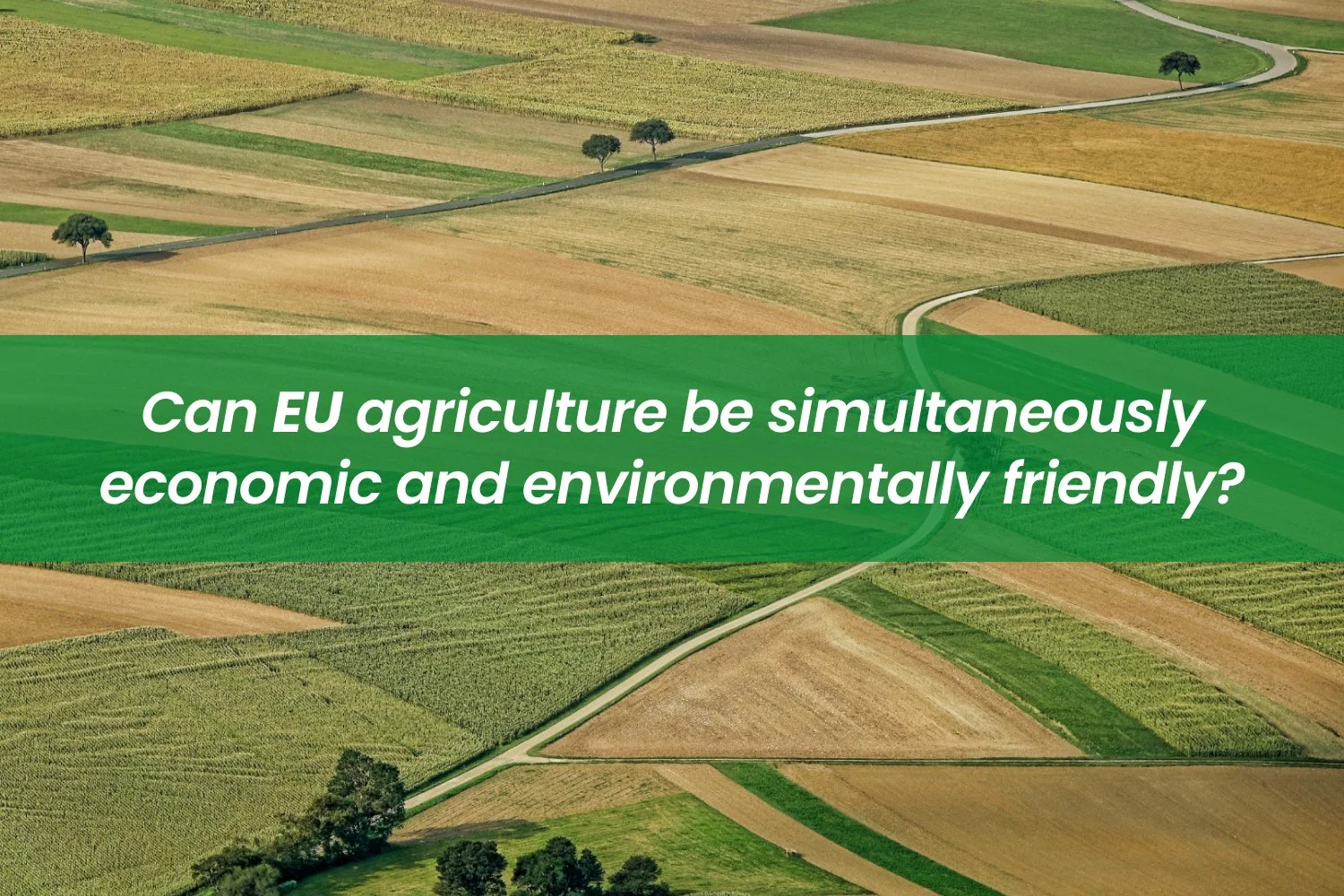
European agriculture faces the dual challenge of maintaining economic viability while ensuring environmental sustainability. This blog explores how initiatives like the European Green Deal and regenerative agriculture practices can help achieve a balance between economic growth and environmental protection.

The European Union's Carbon Removal Certification Framework (CRCF) is an important step towards climate neutrality by 2050. The CRCF was approved by the European Parliament in April 2024, and this is the first EU regulatory framework for certifying carbon removal.

Regenerative agriculture is a newer sector, popularized more as a viable option in recent years. While we are looking at and trying to adapt our plant agriculture, other concepts must be explored that have the potential to reshape the entire future of the plant agriculture landscape so we may find a reality based on logic.

As we venture further into 2024, the looming presence of the El Niño weather phenomenon has cast a shadow over the agricultural landscape, particularly in Latin America. The potential disruption to rainfall patterns and the threat of extreme weather conditions have placed the region's agricultural sector on high alert.

In a world where agriculture plays a crucial role in feeding the ever-growing global population, finding sustainable and efficient ways to optimize crop production is paramount. The European Union recognized this challenge and initiated the AI4 Copernicus project, aimed at Advancing Earth Observation Intelligence, Innovation and adoption in agriculture. Among the participants, Spacenus GmbH pioneered this project, with its innovative approach towards optimizing nitrogen fertilizer recommendations.

Field-specific Fertilizer rate recommendations and farm-specific Fertilizer demand estimation have been a decade-old problem. Soil testing and plant tissue testing are still regarded as the most dependable solutions. However, this is a time-consuming and labor-intensive process. The closest alternative is the field sensors, which use the Near Infrared (NIR) light reflectance of plant leaves to estimate Fertilizer application rates.

Regenerative agriculture appears as the glimmer of hope in a world that is perilously close to entering a climatic disaster. It represents a paradigm change in farming with the goal of reviving our soil and reestablishing ecosystems. We promote sustainability by embracing no-till techniques, varied crop rotations, and combining crops with animals. These tactics increase carbon sequestration, lower emissions, and strengthen climate resilience. Let's cultivate a world reborn by sowing the seeds of a sustainable future through regenerative agriculture.

Traditional fertilization advice is expensive and time-consuming. Cloud cover in satellite imagery in reduces their effectiveness to 40% of farmers. Our innovative approach overcomes cloud cover in satellite imagery to give farmers accurate and timely fertilization recommendations while prioritizing environmental sustainability.

We are usually hesitant to change a running system when we lack insight, particularly in a conservative industry like agriculture. As a result, agriculture typically does not welcome new environmental regulations, but proper insight may change that attitude.

The most recent heatwave reminds everyone of the need to take immediate action to combat climate change. Agriculture will continue to be impacted by climate change, so we must adapt to it. The Dutch government is to be the first to act on the matter after stalling finally, but the farmers are not pleased about it.

Is it possible to measure agricultural sustainability? Waiting for a perfect method to measure sustainability may make it too late to meet climate and sustainable development goals. How about now? We have come up with an idea and a practical solution for evaluating at least two of the sustainability dimensions—economic and environmental.

To help farmers comply with environmental regulations, governments around the world appear to be funding this information on a massive scale. Our post-code-based rate recommendation is the only way for government and corporates to help their farmers and have a greater impact at the same time. We would love to work with them.

Satellite Imagery can take agriculture to new heights with an array of information. Conventional agricultural processes require a ton of work. On top of that, it is proven to be one of the prime sources of carbon emissions. Carbon farming can become the new shield to prevent carbon contamination.

Carbon Emission has been a prime problem in the modern-day world. The earth is sinking much faster than we thought it would be. However, the majority of the carbon emission has been done by us, Humans. Agriculture is arguably the most crucial sector in the world..

Fertilizer prices are skyrocketing following the price of natural gas in Europe. A year ago, liquid nitrogen fertilizer was worth less than 200 euros per tonne; in October 2021..

The world needs new change, a change that can make our lives sustainable. Agriculture has been one of the core sectors that need technological advancements to enable data-driven decision-making.
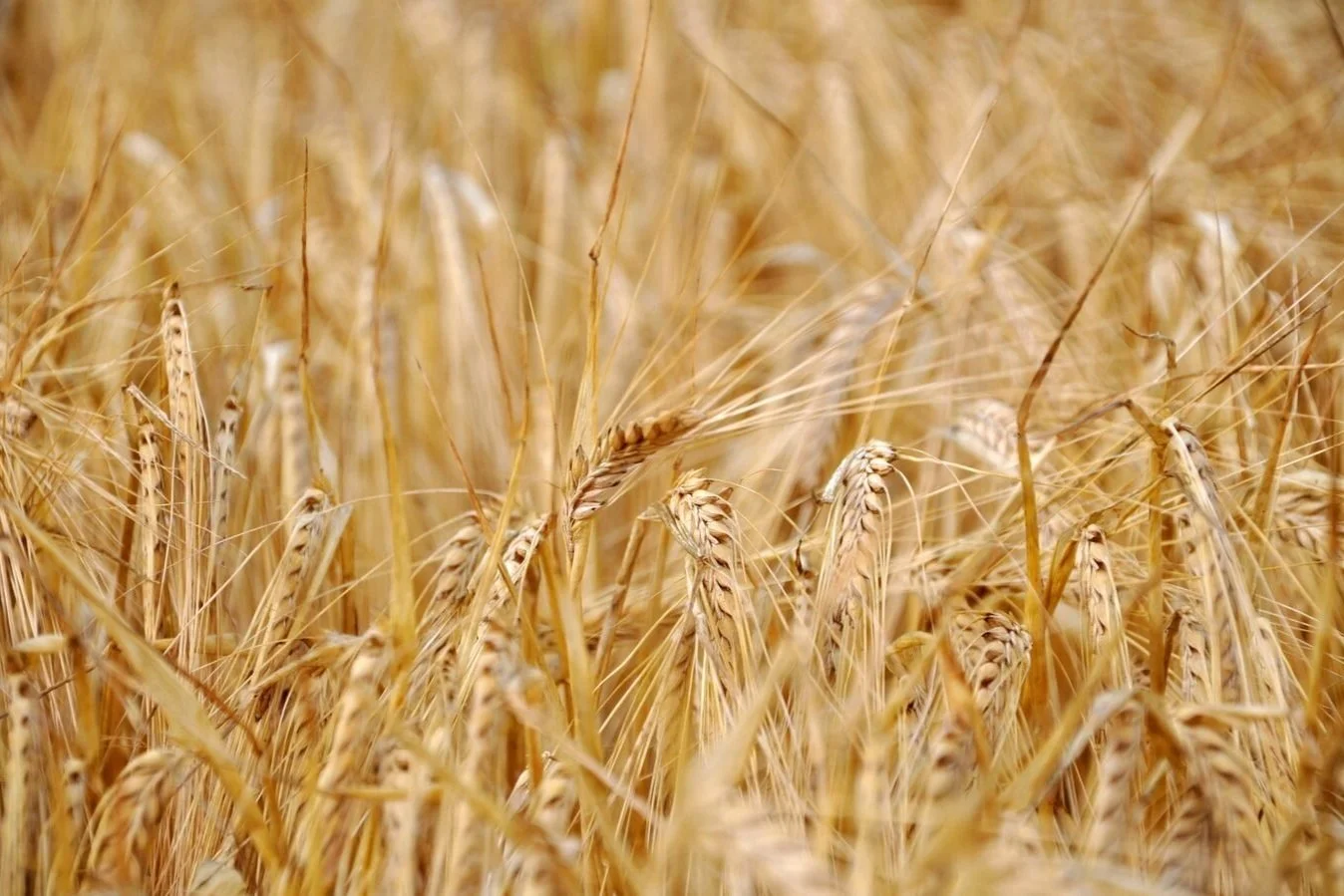
Did you know, China consumes almost 135 thousand metric tons of wheat every year? Regions like European Union and India are not far behind either. Wheat has been a staple item in prime parts of the world.

Like many others, my morning starts with a nice cup of coffee. There are many coffee brands in the market offering good coffee but as a conscious consumer….
News

Luck is great, but most great things result from hard work, not good fortune. Last week, after four years of hard work, we finally finished the ESA project. Our flagship products "ANA," and "Fieldmap API" were developed as a result of this project.

On the 28th of July, Hessian Digital Minister Kristina Sinemus paid a visit to Spacenus GmbH as part of the summer trip. Team Spacenus is honoured to welcome her to its premises.

Detect the nutrient deficiency of a plant early with the smartphone and thus prevent crop failures: This should be possible with the Agricultural …

At the beginning of this year, January 2019, Spacenus attended the agricultural fair “Landwirtschaftliche Woche Südhessen” in Gernsheim together with our customer Solorrow
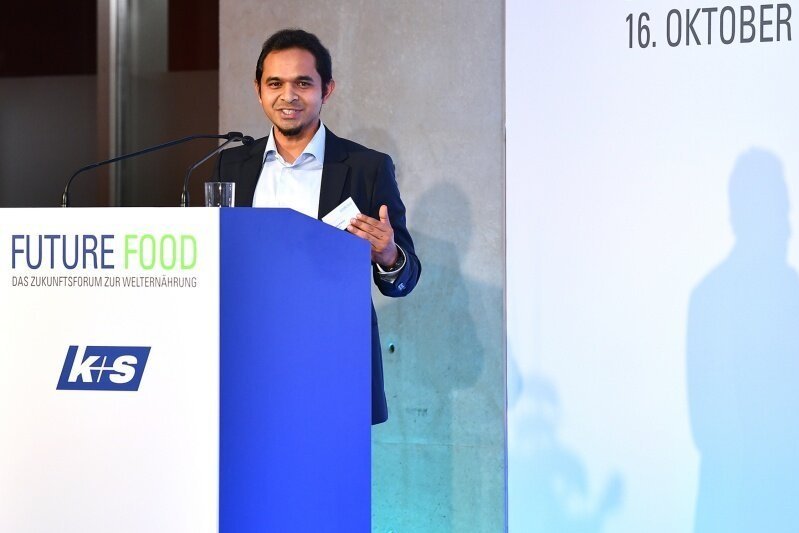
Spacenus attended the Future Food Forum at the AXICA Congress and Convention Centre in Berlin. This event was hosted by K+S Kali GmbH and ….

Intergeo is an annual fair for geodesy, geoinformation, and area management, which took place in the Messe of …

Agriculture is undergoing a period of radical change. In the coming decades, population growth will increase rapidly…

The DLG Field Days is a plant production trade fair of the German Agricultural Society, which occur every two years. It takes turns with Agritechnica and…
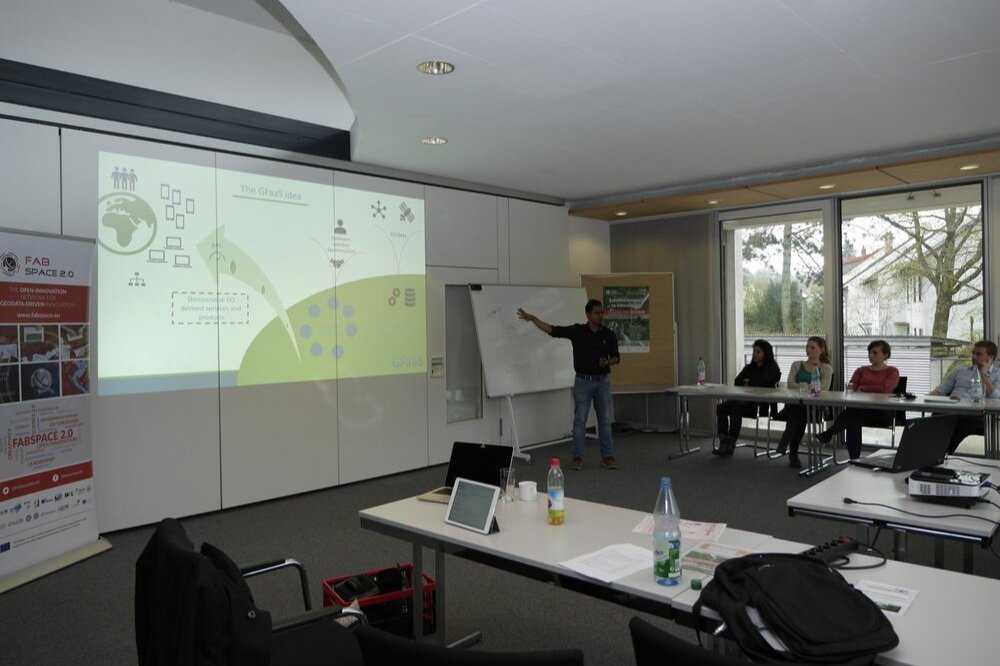
In April and May, FabSpace 2.0 and Spacenus organized a hackathon, which was split into two sessions.
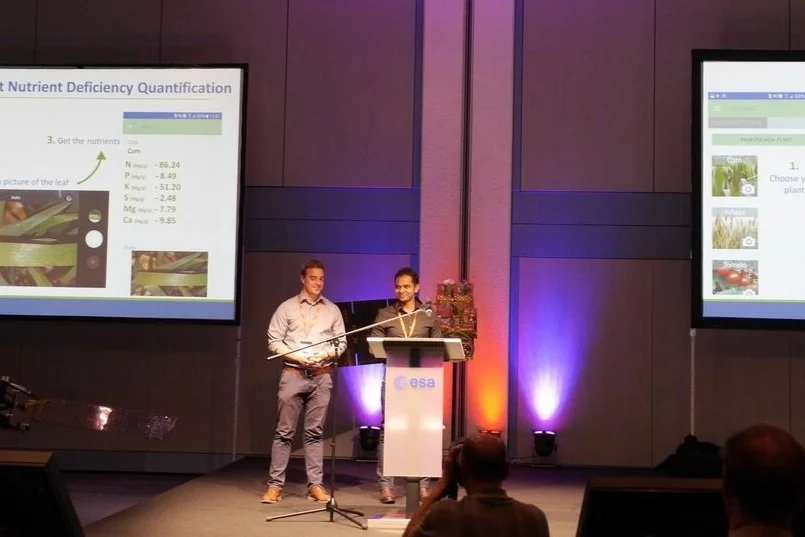
Spacenus pitched at the annual "Global Navigation meets Geoinformation" event at ESOC, Darmstadt. The event was hosted by the Centrum for satellite…

Agricultural week of South Hesse” is an annual convention, which took place in the Stadthalle of Gernsheim this year.

Spacenus GmbH is pleased to announce the kick-off of its latest project under Kick-Start Activities in the topic Food Security…

We are happy to announce our next adventure. This time it is with European Space Agency (ESA) under ….

It was really exciting to be in the renowned Newspaper of Darmstadt “Darmstädter Echo”. …
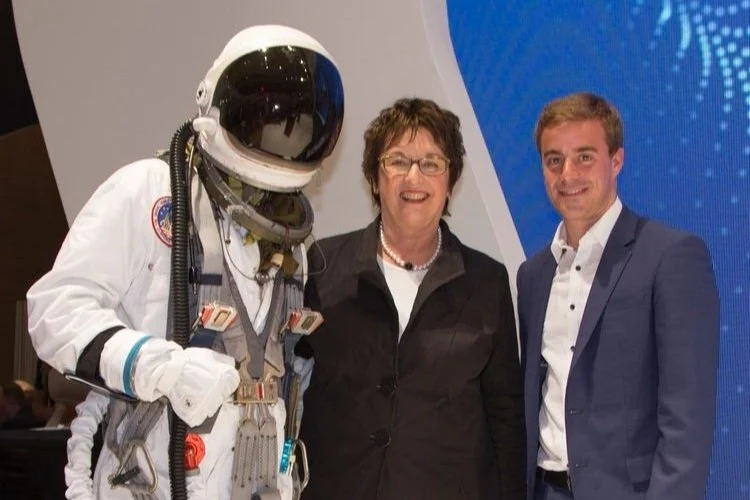
CeBIT is a global event for digital business in Hannover where Spacenus GmbH got the opportunity to participate. We gained a lot of new perspectives in the world of IT and digital business.

Spacenus pitched at the #sentinel2go event at ESOC, Darmstadt. The event was a great achievement for European Space Agency (ESA) and other Earth Observation (EO) communities….

SAP Digital Leaders‘ Summit 2016 held in European Space Operations Centre ESOC/ESA Darmstadt, on October 6th 2016…
Case Study
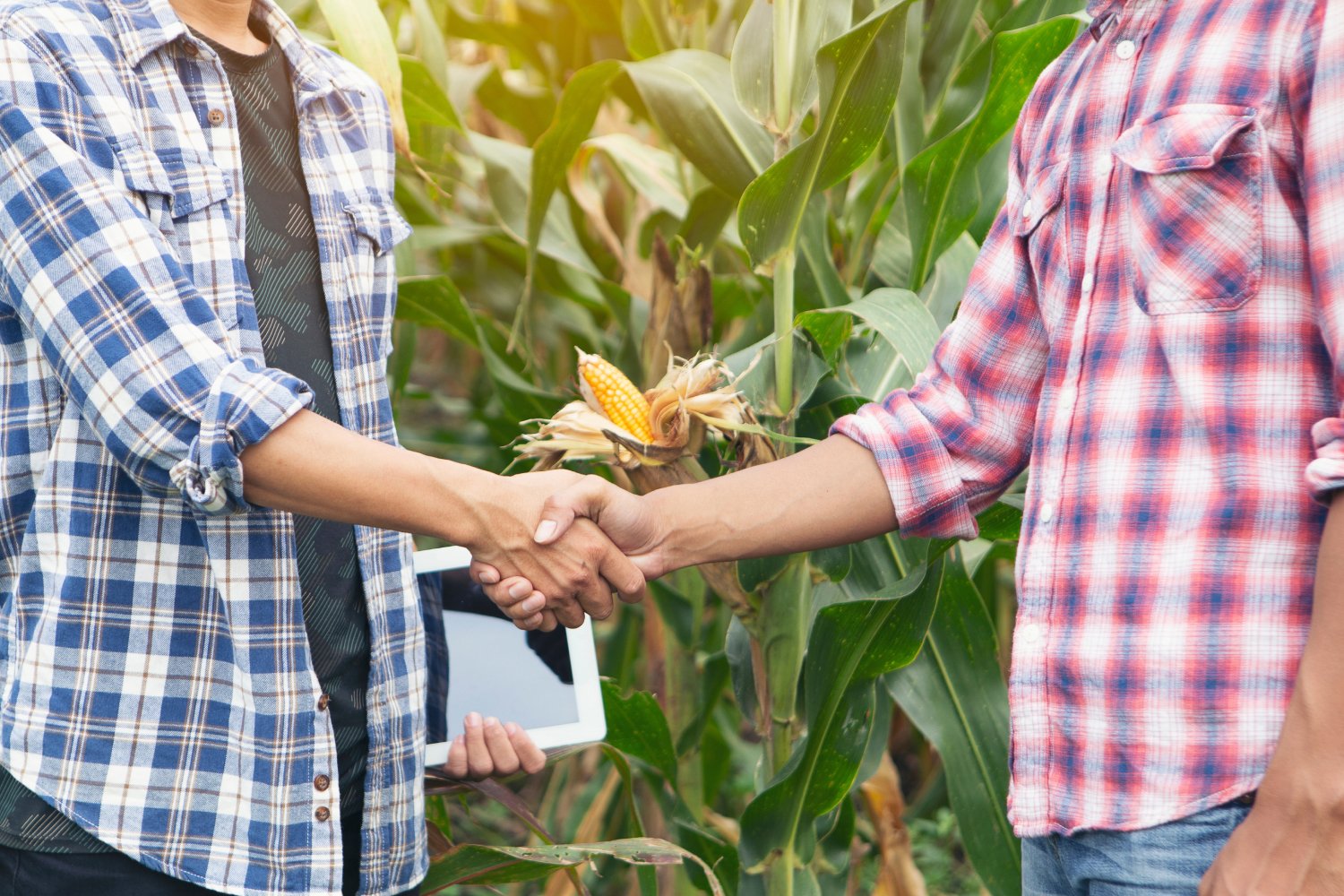
Spacenus, with its mission to lead the agricultural industry towards regenerative practices, teamed up with Solorrow, a company that's revolutionizing farming with its precision farming app